
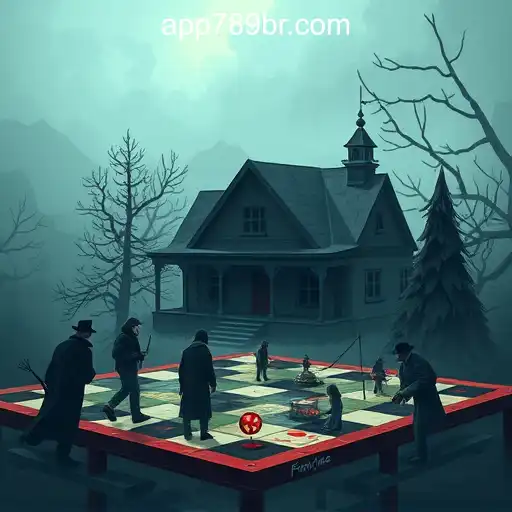

The Revival and Evolution of Board Games in the Modern Era
Board games have experienced a renaissance, evolving significantly from their traditional form. While the 1970s and 80s saw classic games like Monopoly and Scrabble dominate family gatherings, the contemporary landscape has expanded to embrace a staggering diversity of themes and mechanics. Coupled with the digital age's influences, this evolution has birthed a hybrid realm where tradition meets technological innovation.
Diversified Themes and Genres
Modern board games cover an extensive range of themes, captivating players beyond mere fortune and strategy. For instance, games like Catan revolutionized resource management and trading genres, while Gloomhaven offers deep, story-driven adventures. Reflecting society's diverse interests, there are games based on ecological conservation, historical events, and even intricate political simulations.
The role-playing genre, which previously found its home in complex tabletop settings, has successfully transitioned to the board game format. Games such as Betrayal at House on the Hill provide players with the immersive experience of mystery and exploration, emphasizing character development and narrative arcs. This diversification caters to niche markets and appeals to a broader audience, effectively drawing in veteran gamers and newcomers alike.
The Impact of Online Platforms
With the rise of digital technologies, online platforms have significantly impacted the board game industry. Websites like 789BR.com online cassino Brasil #1 have played a pivotal role in transforming how people engage with games. These platforms offer virtual adaptations of popular board games, allowing players to connect with friends globally, transcending geographical limitations.
Online platforms not only preserve the traditional essence of board gaming but also introduce innovative gameplay elements. Interactive features, automated rules enforcement, and digital expansions enhance the gaming experience. Additionally, online tournaments and communities foster a vibrant competitive scene, enabling players to test their prowess in global arenas. This digital integration has paved the way for the resurgence and sustained growth of board games in contemporary culture.
Technology and Board Game Innovation
The synergy between traditional board games and emerging technologies has led to groundbreaking innovations. Augmented Reality (AR) and Virtual Reality (VR) have been seamlessly integrated into board game experiences, offering immersive environments and dynamically altering gameplay scenarios.
Enhanced by technology, games like Mansions of Madness incorporate app-driven components for ambient sound effects, scenario updates, and character management, creating a more dynamic and responsive atmosphere. These innovations offer endless possibilities, transforming board games from static experiences into living, breathing worlds.
Board Games and Educational Value
Beyond entertainment, board games are increasingly recognized for their educational benefit. Many modern games are designed to develop critical thinking, strategic planning, and problem-solving skills. For example, games like Pandemic encourage collaborative decision-making, teaching players to work as a team to overcome global challenges.
Additionally, educational institutions are utilizing board games as learning tools, integrating them into curricula to stimulate engagement and retention. Subjects such as mathematics, history, and language arts are being gamified, making the educational process not only enjoyable but also highly effective.
The Brazilian Context: A Growing Market
In Brazil, the popularity of board games has been steadily rising, mirroring global trends. The country's vibrant gaming community is supported by an array of online platforms offering vast selections of domestic and international games. Brazilians have embraced board games as a means of social interaction, cultural exchange, and intellectual stimulation.
Platforms like 789BR.com online cassino Brasil #1 have become instrumental in the dissemination and accessibility of board games, catering to a growing demand for interactive entertainment. The integration of local themes and narratives into game design has also allowed Brazilian games to carve out a niche in the international market.
Conclusion: A Timeless Form of Entertainment
As board games continue to evolve, they remain a timeless and versatile form of entertainment, rich in cultural significance and adaptability. Whether enjoyed around a physical table or through digital screens, board games offer a unique blend of strategy, creativity, and social engagement. Their capacity to evolve with technological advancements while maintaining traditional appeal ensures their continued place in the tapestry of human recreation.
In embracing both heritage and innovation, board games stand as a testament to the enduring appeal of shared storytelling and friendly competition, promising to captivate audiences for generations to come.